Data-Driven Decision Making: Building Analytics Capabilities in Malaysian Companies
Most Malaysian businesses have data but are not data-driven. Here's the difference — and the practical steps to build genuine analytical capability.
Astivara Technologies · 2026-03-08
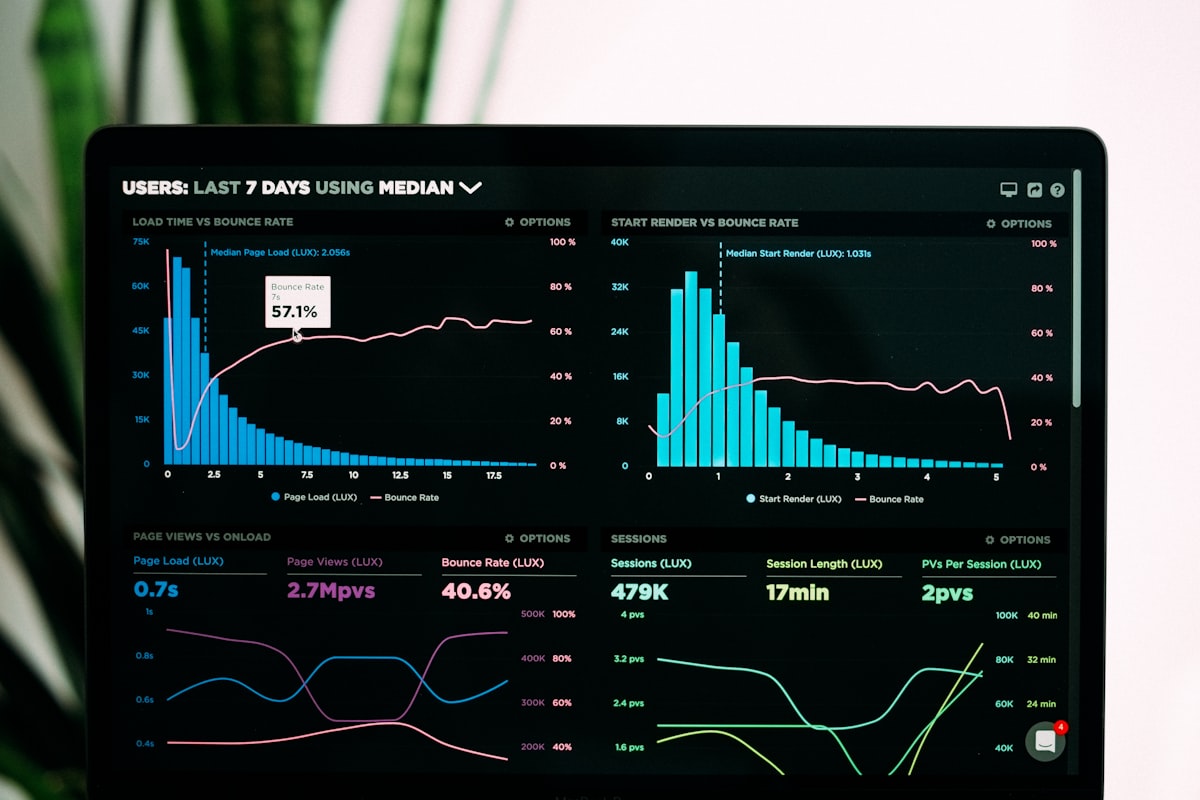
There is a meaningful difference between a business that has data and a business that is data-driven. Having data means it exists somewhere in your systems. Being data-driven means that decisions at every level — from operational choices made by frontline staff to strategic decisions made by the board — are informed by timely, accurate data rather than intuition, anecdote, or politics. Most enterprises have significant data; far fewer are genuinely data-driven. The gap is more organisational and architectural than technological.
The Analytics Maturity Ladder
Analytics capability develops through recognisable stages. Descriptive analytics (what happened?) is the starting point — basic reporting and dashboards drawn from operational systems. Diagnostic analytics (why did it happen?) adds drill-down capability and root cause analysis. Predictive analytics (what will happen?) uses historical patterns to forecast future outcomes. Prescriptive analytics (what should we do?) recommends actions to optimise outcomes.
Most organisations are still consolidating descriptive analytics — getting clean, timely, trustworthy reports — before attempting diagnostic or predictive capabilities. This is the right sequence: predictive models built on dirty or incomplete descriptive data produce unreliable predictions.
Data Infrastructure Requirements
Reliable analytics requires a clean data foundation. This typically means: a data warehouse or data lakehouse that consolidates data from multiple operational systems (ERP, CRM, POS, HR) into a single analytical environment; an ETL/ELT pipeline that refreshes this data on a schedule appropriate to decision-making frequency; and a semantic layer or BI tool that makes this data accessible to business users without requiring SQL expertise.
For organisations at early analytics maturity, cloud-based data warehouse solutions (BigQuery, Snowflake, Redshift) combined with a BI layer (Power BI, Tableau, Metabase) provide a practical path to analytical capability without requiring a large data engineering team.
Building a Data Culture
Technology solves the access problem; culture solves the adoption problem. Data-driven cultures share these characteristics: leaders model data usage by asking "what does the data show?" before making decisions; conflicting data interpretations are resolved by going back to the source rather than by authority; dashboards are reviewed in operational meetings as primary inputs to decisions, not decoration; and individuals who surface uncomfortable data insights are rewarded rather than avoided.
Building this culture requires sustained leadership attention — not a one-time data strategy presentation. The most powerful lever is senior leaders who visibly change decisions based on data they've reviewed, demonstrating to the organisation that data actually matters to people with power to act on it.
Key Takeaways
- Descriptive analytics — reliable, timely, trustworthy reporting — must be fully solved before diagnostic or predictive capabilities can deliver dependable value.
- A data warehouse consolidating multiple operational systems (ERP, CRM, POS, HR) is the prerequisite infrastructure for enterprise analytical capability.
- The gap between "having data" and "being data-driven" is more organisational than technological — sustained leadership behaviour change is the primary driver.
- Data-driven cultures reward those who surface uncomfortable insights; organisations that penalise uncomfortable data undermine the investment in the infrastructure that produced it.
Tags: Data Analytics, Business Intelligence, Malaysia, Decision Making
← Back to all articles